
If you’re shopping around for a new HVAC system, you’ve probably heard some buzz about the Daikin Fit and may be wondering how it matches up against Trane, another well-known brand. Both companies make high-quality heating and cooling systems, but the Daikin Fit has been turning heads with its compact design, energy efficiency, and smart home integration. I’ve dug into all the important stuff to give you a closer look at why many homeowners are leaning toward the Daikin Fit when it’s time to upgrade their comfort at home.
Understanding Daikin Fit vs. Trane: Key Differences
It really helps to get a sense of where these brands are coming from and what sets their main offerings apart. Daikin is a global HVAC giant known for innovative technologies, especially in ductless systems and inverter compressors. The Daikin Fit is designed to bring the efficiency and comfort of inverter technology into affordable, conventional ducted homes. Trane, on the other hand, is a respected American brand, popular for reliability and robust construction, but it mainly focuses on traditional single-stage or twostage systems in their core lineup.
The Daikin Fit’s approach centers around making high performance inverter systems more accessible, while Trane tends to offer inverter technology mostly in its higher end models. That alone makes the Daikin Fit a pretty interesting choice if you want smoother comfort and lower bills without springing for a premium price tag.
Who’s Choosing the Daikin Fit?
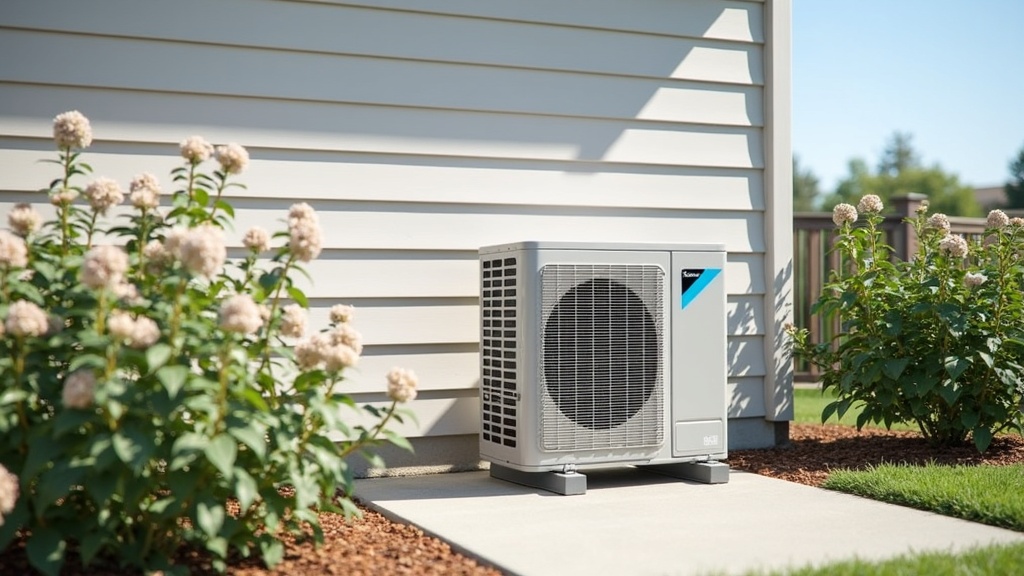
I’ve seen the Daikin Fit become especially popular with folks who are tight on space, homeowners hoping for quieter outdoor units, and anyone who wants to cut their utility bills. Its design fits snugly alongside modern homes, even on narrow or crowded lots, where a bulkier traditional unit can’t go. The low profile casing also makes it way easier to hide, which is nice if you don’t want your backyard dominated by HVAC gear.
Techsavvy homeowners and people into smart home setups are noticing the difference too, since Daikin’s One+ smart thermostat talks easily with the Fit. This brings flexible scheduling, remote control from your phone, and detailed energy usage breakdowns right at your fingertips. It even syncs well with voice assistants, so you can make quick adjustments from anywhere in your home with just your voice.
Main Advantages of Daikin Fit Over Trane
So, let’s have a look at the features I think you’ll really like if you pick the Daikin Fit over a typical Trane system.
- Space Saving Outdoor Unit: The Daikin Fit’s low profile sidedischarge cabinet is slimmer and shorter than most traditional HVAC units, including Trane’s. This makes it a solid option if you have city living, a townhouse, or even a patio with limited room. Its compact size can also help with easier approvals from homeowners’ associations or city planning.
- Inverter Compressor Technology: The Daikin Fit delivers variable speed performance, not just “on” or “off.” It ramps up or down to match your comfort needs, using only the energy that’s really required. Most midrange Trane units still use single or twostage compressors, which aren’t as precise and can waste energy during mild weather.
- Smoother, Quieter Operation: The Fit’s inverter operation cuts down on noise through gentle speed adjustments. There’s none of the loud clunk you often hear when a traditional unit starts up. On average, the Fit runs at lower decibel levels than comparable Trane models, which your neighbors and pets will probably appreciate. If you often hang out in the yard or have a bedroom near the condenser, this can make daily life much more pleasant.
- Flexible Installation: Because of its small size and side discharge, I’ve noticed installers have more wiggle room on placement. It’ll fit under decks, behind fences, or close to a wall. Trane’s conventional units are often boxier and need bigger clearances, which can be a problem in smaller urban backyards.
- Energy Savings: The Daikin Fit’s inverter technology often results in lower monthly bills, especially during shoulder seasons like spring and fall. Instead of short cycling, it runs almost continuously at reduced power, keeping temperatures even and energy use predictable. Over time, these savings can make a big dent in your annual energy costs.
- Improved Comfort: If you’re tired of hot and cold swings, the Fit’s continuous, variable operation keeps your house’s temperature steady without wild ups and downs. Many owners say it feels completely different from older twostage Trane systems that tend to create hot or cold spots around the house.
- Smart System Controls: Daikin’s One+ smart thermostat works seamlessly with the Fit and supports automation, voice assistants, and remote monitoring. While Trane has its own connected controls, they’re sometimes less intuitive and usually limited to pricier models.
What to Think About Before You Decide
Picking an HVAC system is a pretty major investment, and it pays to get a clear picture of what you’re in for. There are a few details to think through when weighing Daikin Fit against Trane. Here’s what I usually recommend keeping in mind:
- Upfront Cost: The Daikin Fit is usually more affordable than a high end Trane variable speed system, but it’s slightly pricier than entrylevel Trane options. The energy savings often make up the difference over time, but you’ll want to check the math for your specific home size and climate.
- Warranty & Service: Daikin Fit typically comes with a strong parts warranty, and many installers offer extended coverage for labor. Trane’s warranties are well known too, but coverage can vary by model, so always ask for specifics in writing. Peace of mind is important, and the warranty details matter.
- Installer Experience: Performance really depends on who puts in your system. Daikin certified installers are your best bet for maximizing the Fit’s comfort features and efficiency. Trane also has a network of certified pros, so be sure to pick someone experienced in the exact model you’re buying.
- Climate: If you live somewhere with very extreme temperatures, either freezing cold or blazing heat, it’s useful to doublecheck that your chosen system is sized and suited for those conditions. Both brands do well overall, but the inverter tech in the Fit shines in areas where you need moderate, consistent cooling or heating.
- Noise Sensitivity: For anyone sensitive to noise, if your outdoor unit is close to a bedroom or outdoor dining space, the Fit’s quieter operation can make a big difference in daily life.
Space and Placement
I’ve personally seen the Daikin Fit make a difference for folks dealing with strict local setback codes, tight alleyways, or even homeowners’ association restrictions on unit size or appearance. Because it takes up less space and runs so quietly, it keeps to itself in nearly any neighborhood.
Comfort and Air Quality
Comfort isn’t just about the temperature. The Daikin Fit’s variable speed keeps humidity under control too, so the air doesn’t get sticky in summer. This is super important in humid climates where older, singlestage systems tend to leave you feeling clammy. Optional indoor air quality add ons and better airflow controls let you shape your indoor environment just how you want. Some models even allow you to add advanced air filtration systems, which can help improve allergy symptoms inside the house.
Common Questions About Daikin Fit vs. Trane
People tend to have some burning questions when choosing between these brands. Here are a few that I hear most often:
Question: Can the Daikin Fit connect to my existing ductwork?
Answer: Yes, the Daikin Fit is designed for use in ducted systems, so in most cases, it works with what you already have. Your installer will help check sizing and layout for the best performance.
Question: Does variable speed mean more repairs?
Answer: Not necessarily. Daikin has a strong reputation for durability, especially with inverter technology that avoids abrupt on/off cycling. Just make sure you have regular maintenance, just like you would with any HVAC brand.
Question: How fast will I see energy savings?
Answer: Many people see noticeable improvements in their first couple of billing cycles, depending on how often you use heating and cooling and the efficiency of your old system. These savings stack up most during high-usage months. For best results, check your utility bills and compare to previous years to get a feel for the true impact.
Question: Are smart thermostats required or just optional?
Answer: You don’t need a smart thermostat to use the Daikin Fit, but the One+ or a compatible WiFi model unlocks cool features like scheduling, remote control, and energy tracking. It’s definitely worth checking out for folks wanting more control and customization.
Why I’d Recommend the Daikin Fit for Most Homeowners
After comparing specs, real world performance, and feedback from owners, I find the Daikin Fit offers a blend of energy savings, comfort, and flexibility that most Trane models can’t match at this price. For homes where space and outdoor noise matter, or for people who love having smart home extras, the Fit’s perks really add up. You’ll get a quieter backyard, fewer temperature swings indoors, and tools to help you stay on top of your energy use. If you want something that’s modern and easy to live with, the Daikin Fit is definitely worth considering over a traditional setup from Trane.
If you’re thinking about a Daikin Fit and want to see if it’s the right match for your place, reach out to a local pro who knows inverter systems and get a quote tailored to your heating and cooling needs. It’s a solid step toward a quieter, comfier, and more efficient home. Homeowners who put in the time to check all their options, including the Fit, often end up happier with their long-term comfort and energy savings. Ultimately, making the choice that best fits your space, lifestyle, and budget will pay off for years to come.
