
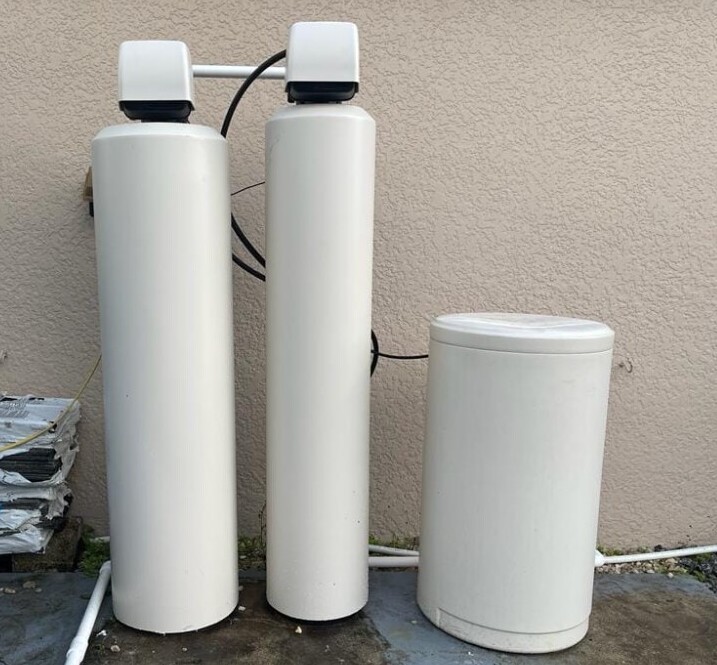
If you live in Florida, you probably already know how common water softeners are across the state. Out of all the brands out there, Clack water systems have become especially popular. As a Florida homeowner myself, I see their name pop up in local hardware stores, plumbing company trucks, and even neighborhood chats about fixing hard water. There’s a reason for that; they solve a lot of problems Florida folks face because of our unique water situation. I’ll break down why Clack water systems are so popular, the benefits they bring, and what you might want to think about if you’re considering getting one for your own home.
Why Floridians Deal with Hard Water
Before talking about Clack, it helps to get why water treatment matters here in Florida in the first place. Hard water is a big deal in the Sunshine State. The underground aquifers that supply most of our public and well water are packed with minerals, especially calcium and magnesium. These minerals cause what we call “hard” water. If you’ve ever noticed crusty buildup around your faucets, felt soap not lathering, or seen cloudy spots on your dishes after running the dishwasher, that’s probably hard water at work.
Unlike some parts of the country, Florida’s water rarely comes from snowmelt or soft surface sources. Instead, it travels through limestone and sandy soils, picking up minerals as it goes. This all means that a water softener or water conditioning system is a smart investment for a lot of Florida households.
These hard minerals don’t just make chores more difficult. They can cause mineral deposits in plumbing, wear down water heaters much sooner, and irritate your skin and hair. Many local residents have stories about dealing with these side effects and how adding a water softener transformed daily tasks and even their monthly budget for cleaning supplies and appliance upkeep. For families with young kids, softer water often means fewer skin issues and gentler baths for sensitive skin, which is one more reason why water softeners are a staple in Florida homes.
What Makes Clack Water Systems Different?
Clack water systems are found in homes across Florida for a reason. They’re well built, reliable, and easy to service. Their control valves are known for being simple to use and easy for professionals to program. This matters when you want something that just works without a complicated setup. Here are a few things I appreciate about Clack systems in particular:
- Flexible control valves: Their signature valves can be adjusted for different water conditions and flow rates, so they work well for houses big or small.
- Durable materials: The tanks and internals are made with strong, rustresistant plastics and metals that can stand up to Florida’s humidity and salty air.
- Reliable performance: I’ve seen Clack systems go years with just routine maintenance and the occasional salt refill.
Most water treatment pros I’ve met prefer Clack because they’re easy to service, and parts are usually available locally if anything does go wrong. If you need service or replacement call Estrada Home Solutions today.
One thing worth mentioning is Clack’s modular design. This means that if a component needs to be swapped out, there’s no need to replace the whole system. This design makes it easier for local plumbers to fix problems fast, reducing both downtime and repair costs. As a bonus, the large, easytoread control screens make daily operation a snap for homeowners who don’t want to deal with manuals or complex menu trees.
How Clack Systems Tackle Florida’s Water Problems
The main job of a Clack water system is to get rid of hardness. It uses a process called ion exchange, basically swapping out calcium and magnesium ions for sodium ions, which don’t cause buildup. The result is softer water that won’t clog up your pipes or leave marks on your dishes and glassware.
But there’s more; they can also help with removing other stuff common in Florida’s water, like:
- Iron, which leaves ugly orange stains in sinks and toilets
- Sulfur, which can make your tap water smell a bit like rotten eggs
- Chlorine, which is added by water treatment plants but can affect taste and smell
Clack systems are often paired with custom filter tanks to handle these specific issues. Many professionals in Florida will recommend a setup that’s personalized for your exact water quality, which makes Clack a pretty flexible option. Often, if you ask a local contractor for a specialized recommendation, they can test your water on the spot and propose add-ons like carbon filters or iron filters that work with your Clack softener. This helps keep water tasting fresh while addressing stains or odors too.
Benefits of Clack Water Systems in Florida Homes
There’s a reason I see so many neighbors switching to Clack when it’s time to upgrade. Here’s what really stands out:
- Easier cleaning: Softer water means less mineral buildup, which makes cleaning showers, sinks, and appliances less of a chore.
- Longer appliance life: Dishwashers, water heaters, and washing machines all work better and last longer when they’re not coated in hard water deposits.
- Betterfeeling water: Showers and baths feel a lot better when the water is soft. Skin and hair won’t get as dry or brittle.
- Lower maintenance costs: Fewer plumbing clogs and less wear on fixtures means you’re less likely to need emergency repairs.
Another bonus is savings on soaps and detergents; soft water lets you get a rich lather using less product. Parents who switch to soft water often notice their kids’ laundry and bath time routines become a lot less of a hassle. With fewer hard water stains, kitchen chores get simpler, and you’ll spend less time scrubbing away stubborn deposits from glasses and plates. If you’re sensitive to taste and odors in water, pairing a Clack system with the right filter can make even tap water feel like bottled.
Choosing the Right Clack System for Your Home
Picking the right system depends on your home’s size, your family’s needs, and what problems you’re trying to solve. If you’re on well water, your needs might look different compared to someone connected to city water. Here’s what I’d consider before buying:
- Get your water tested first; know what you’re dealing with before you invest
- Think about system size and capacity for your household
- Ask about combination units if you need filtration plus softening
- See if a professional can set up and program the system for optimal use
Careful research helps buyers make informed decisions. When in doubt, local water professionals or companies like Estrada Home Solutions are usually happy to offer advice. Don’t hesitate to check in with neighbors or community groups as well, since local tips can steer you toward the best options for your area. It might be worth getting multiple estimates and asking questions about salt usage, warranty coverage, and ongoing support. Each home’s water is different, so a system that works perfectly for your nextdoor neighbor may need tweaking to suit your needs.
Maintenance Tips for Clack Water Softeners in Florida
I’ve found Clack systems pretty easy to look after, but a few regular tasks go a long way:
- Check the salt level once a month and top up as needed
- Use the right kind of salt (avoid rock salt if you have a lot of iron in your water)
- Watch for signs the unit is not regenerating (hard water stains returning, drop in soft water quality)
- Schedule a yearly checkup where a professional can test, clean, and adjust the system
Sticking with these basics helps avoid any annoying surprises. If a part ever acts up, it’s helpful that Clack replacement parts are widely available in Florida. Running periodic system cleanings can prevent buildup on resin beads, while making sure that water flow stays smooth and reliable. Some homeowners use a water test kit every few months to spot issues before they become problems, especially if there’s been heavy rain or a change in local water supply. For those who travel or leave their home vacant for extended periods, asking a neighbor or service provider to doublecheck salt levels or system settings keeps things running well yearround.
Common Issues and How Clack Systems Handle Them
Every water softener brand has pluses and minuses. With Clack, most complaints I come across are about settings being accidentally changed or older units needing small parts replaced. Thankfully, most of these are quick to fix, and most plumbers in Florida are familiar with Clack systems. The digital control heads are easy to reset, and the modular design means service calls rarely turn into big, expensive repairs.
One other thing to keep an eye on is occasional power surges or outages that might disrupt the timer settings. Just a quick reset often resolves the problem. If you notice unusual noises, a loss of pressure, or odd tastes after heavy storms, call your local expert since Clack’s simple modular build means solutions are usually quick and affordable. Having a reliable support resource helps you keep things running without delays.
Frequently Asked Questions About Clack Water Systems in Florida
Do I really need a water softener in Florida?
Most folks do, especially if they want to protect their appliances, cut down on cleaning, and avoid skin irritation.
How long does a Clack system typically last?
With regular maintenance, it’s common to see Clack softeners run strong for 10-15 years or more in Florida.
Can I install it myself, or should I hire a pro?
If you’re handy with plumbing, it’s possible, but most people find hiring a pro gives better long-term results and ensures proper programming.
Will a Clack water softener remove iron and sulfur?
By itself, it can tackle low levels, but for higher concentrations you might want an add-on filter tailored for those issues.
Is there a lot of ongoing cost to run a Clack system?
The main expense is salt refills, occasional replacement of filters or resin, and an annual check-in. Many customers find these ongoing costs are offset by savings in appliance life and fewer repair emergencies.
What if my water tastes salty after installing the softener?
This is rare, but if it happens, a quick adjustment of settings or an added post-softener filter solves the problem right away.
What To Do If You Need Service or Replacement
Living in Florida means dealing with hard water is just part of life, but you don’t have to settle for clogged pipes or spotty dishes. Clack water systems make things easier, and help protect the stuff in your home you care about most. If you’re running into problems, experiencing water quality issues, or just ready for an upgrade, it’s worth checking out a local expert. If you need service or replacement call Estrada Home Solutions today.
